
Jakarta Govt Highlights Food Security in Global City Push
Reported by Fakhrizal Fakhri | Translated by Nugroho Adibrata
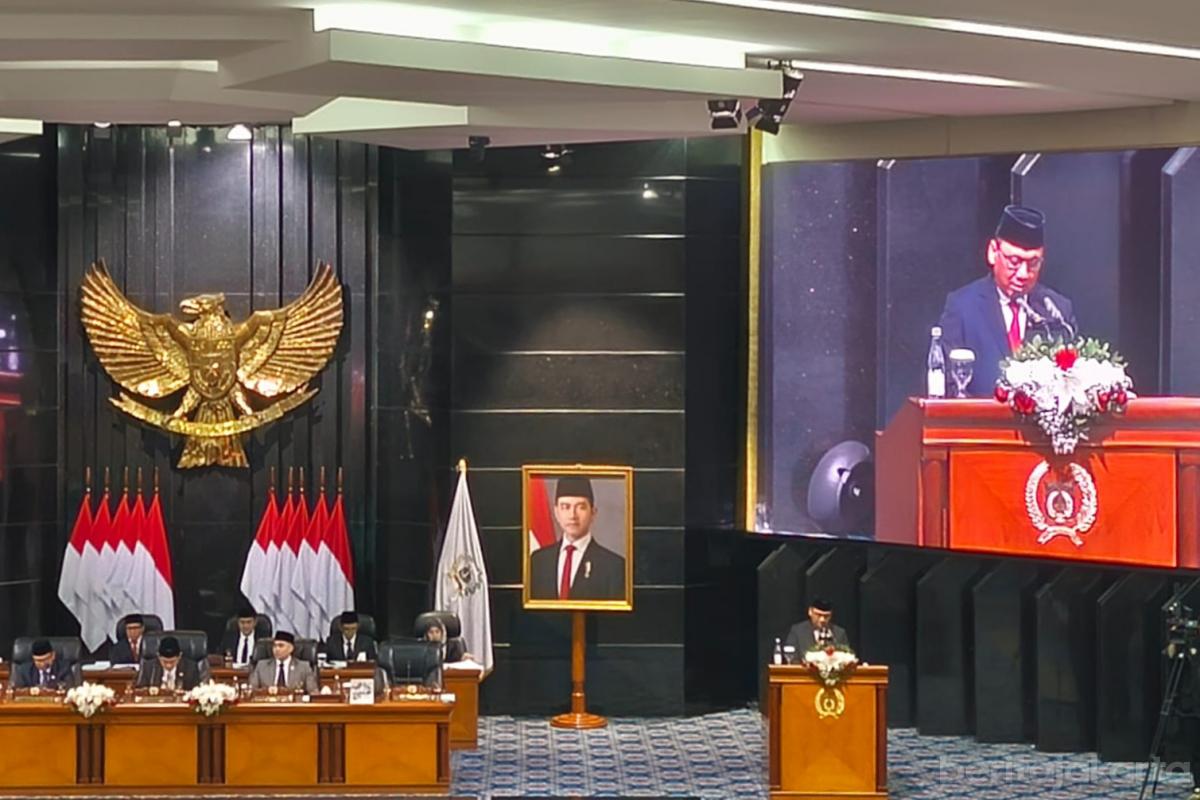
Jakarta City Secretary Uus Kuswanto represented Governor Pramono Anung at a City Council plenary session Monday (2/2), to introduce a draft bylaw on food system management.
Prioritizing a sustainable food system
He highlighted that Jakarta’s unique sociological, demographic, and spatial characteristics pose significant hurdles for the capital’s food security. Then extreme population density, a lack of available farmland, and a heavy reliance on supplies from outside the region remain the administration's primary challenges.
He further explained that evolving urban consumption patterns have made food management increasingly complex.
“Based on Indonesia’s 2020–2050 population projections, Jakarta’s population reached 10.68 million in 2024. With an annual growth rate of 0.31 percent, the city’s population density has hit a staggering 16,165 people per square kilometer," he expressed, Tuesday (2/3).
These conditions, Uus noted, create significant complexity across various sectors of urban life, particularly in food supply, transportation, housing, clean water, and waste management. This logistical pressure is further intensified by the massive daily influx of commuters from satellite cities such as Bogor, Depok, Tangerang, and Bekasi (Bodetabek).
He emphasized that for the regional government, meeting the public's basic needs—especially food—is a non-negotiable priority. He warned that a disparity between food availability and demand has the potential to trigger economic, social, and political instability, which could ultimately impact national stability.
Citing Law No. 18/2012 on Food, he defined food security as a state where food is available to everyone, from the national to the individual level. This includes ensuring sufficient quantity, quality, safety, and compatibility with the community's religious and cultural values, enabling residents to lead healthy, active, and productive lives sustainably.
"As Jakarta cements its role as a global metropolis and the nation’s economic center, the administration is prioritizing a sustainable food system. Ensuring access to food is viewed as a basic right that the administration is mandated to secure by working alongside various sectors," he explained.
The city’s current food landscape is defined by a 98% reliance on out-of-province supplies, which Uus described as a primary hurdle. This vulnerability is compounded by high spending inequality and a lack of price stability in the city’s island territories.
To mitigate these risks, the proposed draft bylaw focuses on robust infrastructure, such as expanded food reserves and targeted social interventions.
"The plan aims to provide a safety net for Jakarta’s most vulnerable groups—including the impoverished and neglected children—to ensure that the city’s economic growth is inclusive and sustainable," he explained.
The proposed draft bylaw establishes a comprehensive framework for Jakarta’s food system, encompassing planning, availability, distribution, and utilization, alongside the prevention and mitigation of food insecurity. The system also integrates human resource development, research, food and nutrition information systems, oversight, and community participation—all while balancing social, economic, and environmental impacts.
Primary objectives of the initiative include bolstering food self-sufficiency by prioritizing local produce and guaranteeing that food remains safe, high-quality, nutritious, and affordable. Additionally, the regulation aims to expand food access for vulnerable populations and improve the welfare of food business entrepreneurs.
He hoped that the draft would undergo rigorous review by the City Council’s commissions and the Regional Regulation Formation Agency (Bapemperda). The ultimate goal is its enactment as a formal bylaw to support Jakarta’s evolution into a competitive, sustainable global city that prioritizes resident welfare.
“The administration believes that the formulation of this Food System Bylaw aligns with the Regional Development Priorities 2025-2029, particularly in achieving inclusive development by guaranteeing basic needs and social protection,” he closed.